Living a more vegan-friendly lifestyle isn't about being perfect. It's not about waking up one day and throwing everything away, cutting out every non-vegan product, and suddenly becoming a completely different person. It's not about hopping on a trend for weight loss. It's about awareness. It's about alignment. It's about slowly making choices that feel more compassionate, toward animals, toward the planet, and toward your own health.

When I first adopted a vegan lifestyle, I was so worried about getting everything exactly right. I had a huge amount of guilt; I definitely wasn't eating a balanced diet right away, and I became quite judgmental towards others. Over the last decade of being vegan, I've come to learn that there are many ways to go vegan and none of them are wrong.
If you're curious about living more consciously but feel overwhelmed by the idea of fully committing to veganism, this post is for you. Whether you are pursuing a vegan lifestyle for ethical reasons, environmental concerns, or health reasons, these are simple, realistic ways to live more vegan-friendly without needing to overhaul your entire life overnight.
As an Amazon Associate, I earn from qualifying purchases.
This recipe features several affiliate links, meaning I will earn a small commission if you purchase through these links.
Jump to:
- Start Eating Less Animal Products
- Vegan Meals For Beginners:
- Switch to Cruelty-Free and Vegan Skincare
- Start Feeding and Taking Care of Wildlife
- Volunteer at the Animal Shelter
- Rescue or Ethically Adopt an Animal
- Stop Buying Leather
- Pick Up Trash
- Treat People Kindly. We Are All on Different Journeys
- Support Vegan Restaurants
- Start Gardening
- Living Vegan-Friendly Is About Progress, Not Perfection
- Recent Vegan Recipes:
- Reviews
Start Eating Less Animal Products

This is usually where people begin, and it makes sense. It's the first step. Food is something we engage with every single day, multiple times a day. But instead of thinking about what you have to eliminate, try focusing on what you can add. You don't have to eat fully vegan meals right away. Even if you never want to go fully vegan, eating more plant-based food can make a huge difference.
Add more vegetables and plant foods. Add more whole grains. Add more beans and lentils. These foods are full of health benefits. Try new things like nutritional yeast and chia seeds. Add more color to your plate.
Naturally, the more plant-based foods you eat, the less animal products you'll eat, and it won't feel like a complete lifestyle change. If you're looking for a completely plant-based meal plan, make sure to check out my 7 Day Vegan Reset Meal Plan for a well-planned vegan diet!
You don't have to eat a fully plant-based diet tomorrow. Start small. Maybe you replace dairy milk with plant-based milks like oat milk, almond milk, or my homemade Pistachio Nut Milk.
Maybe you could try one plant-based dinner per week. Maybe you swap your usual takeout order for a veggie-packed bowl. Find simple plant-based alternatives, like swapping whey protein (or any animal protein) for plant-based protein (this one is my favorite). And yes, you will still get enough protein!
Reducing animal products, even slightly, has measurable environmental benefits. It reduces greenhouse gas emissions, land use, and water consumption. It also reduces demand for factory farming, which is one of the largest sources of animal suffering worldwide. Vegan and Vegetarian diets are incredibly rewarding because you know you are making a difference and saving lives.
The beautiful thing is that as you start exploring plant-based foods, you often discover meals you genuinely love. This is one of my favorite things about eating a vegan diet. I've been able to try so many different foods, like my Jackfruit Noodle Soup, which I never would have dared to make beforehand. It stops feeling like restriction and starts feeling like expansion.
Vegan Meals For Beginners:
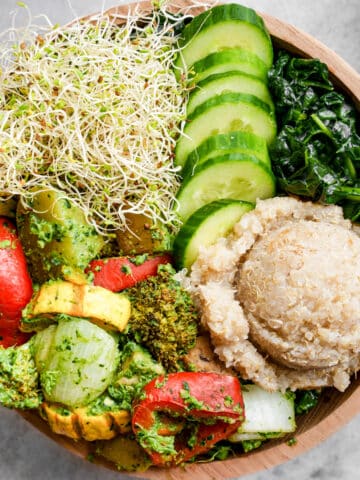
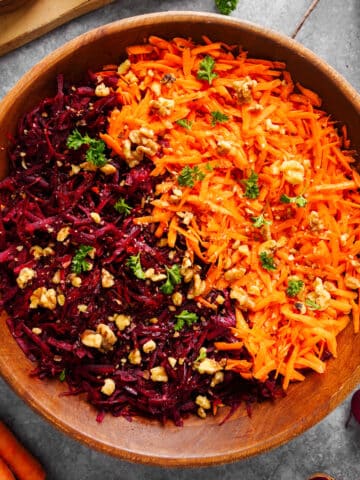
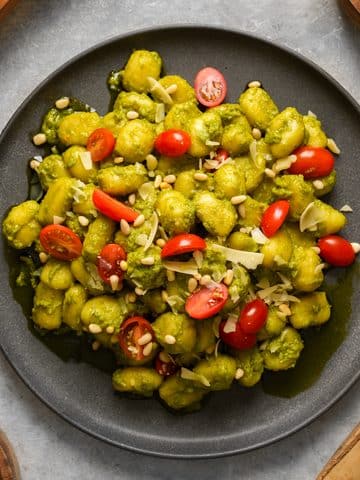
Looking for vegan recipes, but don't know where to start? Check out my 40+ Easy Vegan Dinner Recipes or some of my go-to vegan recipes below!


Switch to Cruelty-Free and Vegan Skincare

A vegan-friendly lifestyle isn't just about what you eat; it's about what you consume in all forms.
Many skincare, makeup, and household products are still tested on animals or contain animal-derived ingredients like beeswax, lanolin, collagen, or carmine. The good news is that there are now so many cruelty-free and vegan alternatives that making the switch is easier than ever.
Start by finishing what you already have. There's no need to waste products. But when it's time to repurchase, do a little research. Look for cruelty-free certifications. Support brands that prioritize transparency and ethical sourcing.
It's taken a lot of time to find beauty products that I really love. I personally love and use a lot of OSEA products. Their seaweed-infused skincare is a holistic approach to skincare that I deeply align with. All their products are vegan, gluten-free, and cruelty-free.
This is one of the simplest ways to align your purchasing power with your values. Every dollar you spend is a vote for the kind of world you want to live in. If you want to save on your purchase, make sure to use my code: "NATURALVEGAN" for 10% off!
Start Feeding and Taking Care of Wildlife
Living vegan-friendly means recognizing that we share this planet with other living beings.
Supporting wildlife doesn't require dramatic action. It can be as simple as putting up a bird feeder (I love this one), planting pollinator-friendly flowers, or setting out fresh water during hot summer months. Avoiding chemical pesticides and choosing native plants can also help restore balance in your local ecosystem.
When you start intentionally supporting wildlife, something shifts internally. You begin to notice birds more. You notice bees. You become aware of seasonal changes. That awareness builds connection, and connection naturally fosters compassion.
It reminds you that environmental care and animal care are deeply intertwined.
Volunteer at the Animal Shelter
If you want to see the impact of compassion firsthand, volunteer at an animal shelter.
Animal shelters often operate with limited resources and rely heavily on volunteers. Walking dogs, socializing cats, cleaning spaces, assisting with adoption events, and even a few hours a month can dramatically improve an animal's quality of life.
Beyond helping animals, volunteering changes you. It makes the issue personal. It transforms abstract ideas about animal welfare into lived experience. When you've looked into the eyes of an abandoned dog or a nervous cat waiting for adoption, your perspective shifts.
It becomes less about theory and more about empathy.
If you don't have time to volunteer, you can always donate! You can donate toys, food, dog treats, or money to your local animal shelter. Even something as simple as sharing a Facebook posting of a pet available for adoption can make a difference.
Rescue or Ethically Adopt an Animal

Adopting or rescuing an animal is one of the most tangible ways to live a vegan-friendly lifestyle.
And it doesn't have to be dramatic. It could start small, like rescuing a betta fish from a tiny cup and giving it a proper, enriched tank. It could be fostering a kitten temporarily. It could be adopting a senior dog that needs a quiet home.
Every rescue matters. You can find animals in need of rescue on Facebook, Craigslist, animal shelters, and humane societies. Animal cruelty is still very prominent in our society, and helping an animal out of that situation is one of the most rewarding things you can do. We rescued our sweet Cleo through Facebook and have been able to give her the life she always deserved.
If adoption isn't the right fit for your situation, working with a truly ethical breeder can also be a responsible option. Ethical breeders prioritize the health and well-being of their animals, avoid overbreeding, provide proper living conditions, and ensure their animals are placed in safe, loving homes. They are transparent, knowledgeable, and genuinely care about the long-term welfare of the animals they raise.
We have 2 miniature dachshunds we adopted from OJS Dachshunds! They are a perfect fit for where we are right now, and we love them so much.
Rescuing or responsibly adopting an animal also teaches patience, responsibility, and commitment. It's not just about bringing an animal home, it's about providing long-term care, stability, and a safe environment. And often, in the process, you realize that the animal ends up changing your life too.

Stop Buying Leather
Leather is often marketed as durable, luxurious, or natural. But it is still a byproduct of animal agriculture and contributes to both animal suffering and environmental damage. Even if you stop eating animal-based foods, it's important to stop supporting animal-based goods as well.
Thankfully, vegan materials have evolved significantly. There are high-quality plant-based leathers made from pineapple fibers, mushrooms, apple waste, and recycled materials. Even traditional synthetic alternatives have improved in durability and design.
You don't need to discard everything you own. I still own a pair of suede boots that I had from before I was vegan. Use what you have. But moving forward, choose alternatives when you can. This shift alone can reduce demand in an industry that relies heavily on animal exploitation.
Pick Up Trash
This might seem unrelated, but it's deeply connected.
Plastic waste and pollution harm wildlife daily. Animals ingest trash, become entangled in debris, and lose habitats due to environmental damage.
Picking up trash when you see it is a small act with big ripple effects.
Bringing reusable bags, water bottles, and containers reduces waste before it even exists. Supporting clean-up efforts in your community contributes to long-term environmental protection.
A vegan-friendly lifestyle is rooted in care, and caring for the earth is part of that equation.
Treat People Kindly. We Are All on Different Journeys
This might be the most important section of all.
It's easy to become passionate about veganism. It's easy to feel urgency. But compassion must extend to people, too.
Everyone is at a different stage of awareness. Some people are just beginning to question their habits. Others may feel defensive or overwhelmed. Shaming rarely creates lasting change. Kindness does.
Lead by example. Share your meals. Share recipes. Share information when asked. But remember that transformation is personal and often gradual. Many people struggle to adjust to eating vegan food.
The goal is not to be morally superior. The goal is to live aligned with your values and inspire others through authenticity to pursue a vegan lifestyle.
Support Vegan Restaurants

Where you spend your money matters.
Supporting vegan restaurants, cafes, and small businesses is one of the most impactful ways to live a vegan lifestyle beyond your own kitchen. Every time you choose a fully plant-based spot, you're directly contributing to the demand for more ethical, sustainable food options.
Vegan restaurants also make the lifestyle feel more accessible and exciting. They show just how creative, indulgent, and satisfying plant-based ingredients can be, from comfort food classics to elevated, chef-driven dishes. It's a reminder that you're not giving anything up, you're just experiencing delicious foods in a different way.
Trying new vegan spots can also expand your palate and inspire your own cooking at home. There are a wide variety of foods to try once you start your vegan journey. You might discover new ingredients, flavor combinations, or techniques you've never thought to try before. Before going vegan, I had never even tried curry. Now it's one of my favorite things to order at restaurants or make at home. There's something about the rich flavors, creamy sauces, and warming spices that just hits every time. My Green Curry recipe is one I come back to over and over-it never fails me.
And if you don't have a fully vegan restaurant nearby, supporting places that offer vegan options still makes a difference. Ordering the plant-based dish, asking for substitutions, or even just showing interest signals demand. That's how menus evolve.
At the end of the day, living a vegan lifestyle isn't just about what you eat, it's about the systems you support. And choosing to support vegan businesses helps create a world where plant-based options are more available, more normalized, and easier for everyone to access.
Start Gardening

Gardening is one of the most grounding practices you can adopt.
Even if it's just herbs on a windowsill. Even if it's a small balcony garden. Growing your own food creates a deeper connection to what you eat. It teaches patience. It teaches gratitude. It teaches how much work goes into nourishment.
When you grow food yourself, you waste less. You appreciate more. You begin to see plant-based living not just as a diet, but as a relationship with the earth.
Growing even a small amount of your own food is one of the most impactful things you can do. While plant-based agriculture is far more sustainable than animal farming, large-scale monocropping still comes with consequences; it often involves clearing land, disrupting ecosystems, and reducing biodiversity. Growing food at home, even if it's just a few herbs, greens, or microgreens, helps reconnect you to a more natural and balanced way of eating. It reduces your reliance on industrial systems, minimizes waste, and supports a more regenerative approach to food. You don't have to grow everything to make a difference; just starting with one small thing is a step toward a more sustainable, conscious way of living.
Gardening also reinforces sustainability. Composting food scraps, saving seeds, and planting seasonal crops build awareness around food systems in a way grocery stores never can.
And the best part is-you don't need a huge backyard to get started. Raised garden beds, like the ones from Vego Garden, make it incredibly easy to grow your own food in a clean, organized, and efficient way. They're perfect for beginners because they help with soil quality, drainage, and overall plant health, while also making your garden feel more intentional and manageable. Use code THEALLNATURALVEGAN40OFF ($40 Off Orders Over $550)!
Or plant a fruit tree; you can almost always find them for sale at your local outdoor store or nursery. Nothing beats the taste of fresh fruit!
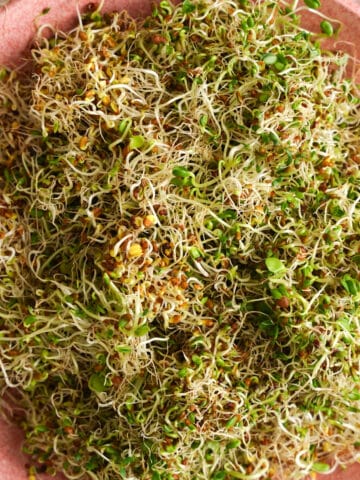
If you're short on space or just getting started, microgreens are one of the easiest and most rewarding things you can grow. They're ready in about a week, require minimal space, and are packed with nutrients. I actually put together a full guide on exactly how to grow them step-by-step, which you can check out here: How To Grow Microgreens.
Starting small is key. Grow herbs you actually use. Add leafy greens. Try tomatoes or peppers when you feel ready. The goal isn't perfection, it's connection.
Because once you start growing even a small portion of your own food, something shifts. You become more mindful of what you eat, where it comes from, and how it's grown. And that awareness is a huge part of living a more intentional, plant-based lifestyle.
Living Vegan-Friendly Is About Progress, Not Perfection
It's important to remember that living a more vegan-friendly lifestyle is not about flawless execution. It's about intention. It's about choosing compassion when you can. It's about recognizing that small, consistent actions add up over time.
You don't need to change everything overnight. You don't need to argue with everyone you meet. You don't need to be perfect.
Just start somewhere.
Start with one plant-based meal. One cruelty-free purchase. One act of environmental care. One rescued animal. One small shift in perspective.
Let it grow from there.
Because when compassion becomes part of your daily habits, and not something you force, but something you embody, it transforms more than just your lifestyle. It transforms the way you see the world.



Comments
No Comments